Roulette is one of the most iconic and exhilarating games found in casinos. For generations, players have tried to beat the wheel using countless betting systems, but few strategies have sparked as much debate and fascination as the Martingale System. Promising a straightforward path to steady profits, the Martingale System lures many new and seasoned players alike—yet it comes with significant pitfalls. If you’re interested in maximizing your fun and minimizing your risk, it’s crucial to understand not just how the Martingale works, but how to avoid the most common mistakes that often sabotage its users at the roulette table.
In this article, we’ll go beyond the basics. You’ll discover lesser-known errors gamblers make, learn how to recognize hidden dangers, and see how real-world limits and psychological traps can turn a promising system into a costly misadventure. With real examples, data, and an expert perspective, you’ll be better equipped to use the Martingale System with open eyes—or decide if it’s right for you at all.
The Basics of the Martingale System in Roulette
Before we dive into the most common mistakes, let’s briefly recap how the Martingale System works in roulette. The Martingale is a negative progression betting strategy, typically applied to even-money bets—such as red/black or odd/even. The idea is simple: you double your bet after every loss, so that your first win recoups all previous losses plus yields a profit equal to your original stake.
.png) For example:
- You bet $10 on red. If you lose, you bet $20 on red next. Lose again, you bet $40, and so on.
- When you eventually win, you recover all previous losses and gain a $10 profit.
For example:
- You bet $10 on red. If you lose, you bet $20 on red next. Lose again, you bet $40, and so on.
- When you eventually win, you recover all previous losses and gain a $10 profit.
At first glance, this seems foolproof. After all, you can’t lose forever, right? Unfortunately, the realities of casino play—such as table limits, bankroll constraints, and the true odds—mean most players eventually hit a wall. Understanding where and why people make mistakes is the first step toward avoiding them.
The Hidden Danger of Table Limits and Bankroll Constraints
One of the most overlooked pitfalls of the Martingale System is the impact of table limits and the player’s own bankroll. Casinos set maximum bet limits to protect themselves from massive payouts, and players have finite funds. This combination is a recipe for unexpected disaster.
Let’s look at a real-world example: - Assume a casino allows bets from $10 to $500 on the roulette table. - If you start with a $10 bet and lose six times in a row, your next bet needs to be $640—well above the table maximum. - The total amount you’d have wagered after six losses is $10 + $20 + $40 + $80 + $160 + $320 = $630.Even with a decent bankroll, a short streak of bad luck can force you to stop, locking in a loss. Statistically, losing streaks are more common than most players realize. The probability of losing six consecutive even-money bets in European roulette (which has a 48.65% chance of winning per spin) is approximately 1.2%. That may sound small, but over dozens or hundreds of sessions, it happens far more often than people expect.
Here’s a table demonstrating how quickly bets escalate with each loss:
| No. of Losses in a Row | Bet for Next Spin ($) | Total Amount Wagered So Far ($) |
|---|---|---|
| 0 | 10 | 10 |
| 1 | 20 | 30 |
| 2 | 40 | 70 |
| 3 | 80 | 150 |
| 4 | 160 | 310 |
| 5 | 320 | 630 |
| 6 | 640 | 1270 |
As you can see, the required bet grows exponentially, and your losses mount rapidly. Most players underestimate how quickly they can reach the table limit or deplete their bankroll.
Ignoring the “Gambler’s Fallacy” and Probability
A classic cognitive bias at the heart of Martingale’s appeal is the “Gambler’s Fallacy”—the belief that past outcomes somehow influence future results. For example, if red hasn’t come up in ten spins, some players wrongly believe it’s “due” to appear soon. The Martingale System plays into this fallacy, encouraging players to keep doubling with the hope that a win is inevitable.
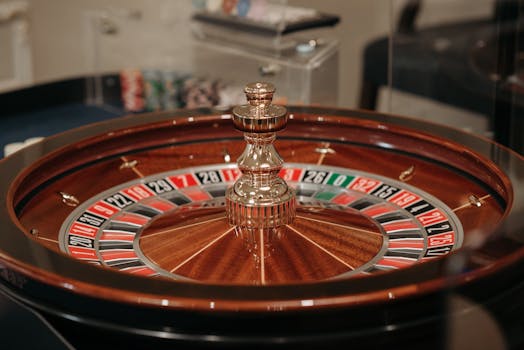
In reality, each spin of the roulette wheel is independent. The probability of red or black on any given spin remains the same, regardless of previous results. European roulette wheels have 37 slots (18 red, 18 black, 1 green zero), making the odds of hitting red or black 48.65% per spin. Over thousands of spins, the house edge of 2.7% ensures that the longer you play, the more likely you are to lose.
A 2012 study by The Journal of Gambling Studies found that belief in the Gambler’s Fallacy significantly increases risky betting behavior and makes losses under progressive systems like Martingale more likely. To avoid this mistake, always remember: past results do not guarantee future outcomes.
Misjudging Long-Term Risk versus Short-Term Gain
The Martingale System can produce small, frequent wins—sometimes for hours or days—before a catastrophic loss wipes out all progress. This “slow win, fast loss” dynamic is one of its most dangerous traps. Many players are lulled into a false sense of security by a string of early victories, only to be devastated when an inevitable losing streak occurs.
Let’s look at a real-world example:
Suppose you play 100 sessions, using a $10 base bet with a $500 table limit. If you win 95 times and lose 5 times, it might look like a 95% win rate. But those five losses could each cost you over $600 (depending on the sequence), easily outweighing the smaller gains from the 95 wins.
A 2018 analysis by mathematician Michael Shackleford (“The Wizard of Odds”) demonstrated that, over long periods, the Martingale System yields a negative expected value, the same as flat betting, but with higher risk of ruin due to the rare but crushing losses.
If your goal is to enjoy roulette for longer periods without dramatic swings, consider setting strict stop-loss and stop-win limits, or using a less aggressive progression system.
Poor Emotional Control and Chasing Losses
Roulette is as much a psychological game as it is a mathematical one. The stress of escalating bets, mounting losses, and the fear of hitting the table limit can cause even experienced players to make poor decisions. Emotional betting—such as chasing losses or increasing your base bets after a bad streak—amplifies risk and undermines the logic behind any system.
A 2020 survey conducted by the UK Gambling Commission found that 24% of casino players admitted to chasing losses at least once during the previous year. Those who used progressive betting systems like Martingale were twice as likely to do so.
To avoid this pitfall, establish clear rules before you play: - Decide your maximum session loss and stick to it. - Never increase your base bet in response to frustration. - Take frequent breaks to maintain perspective.Remember, the Martingale System is not a guaranteed way to win, and emotional discipline is your best defense against its biggest dangers.
Overlooking Variants and House Edge Differences
Not all roulette games are created equal. The Martingale System works best on bets with close to 50% odds—so the version of roulette you play can significantly impact your results. For example:
- European Roulette: 1 zero, house edge of 2.7% - American Roulette: 2 zeros, house edge of 5.26%Playing Martingale on American roulette nearly doubles your losses over time compared to European roulette. Additionally, some casinos offer “La Partage” or “En Prison” rules, which reduce the house edge on even-money bets when the ball lands on zero.
Always check which version of roulette you’re playing and choose the one with the lowest house edge. Even a small difference can make a big impact over hundreds of spins.
Smart Alternatives and Risk Management
If you’re attracted to the Martingale System but wary of its risks, consider these alternatives and safeguards:
- The “Mini Martingale”: Stop after a fixed number of doubling steps (e.g., 3 or 4), accepting a manageable loss if you don’t win within that range. - The Reverse Martingale (Paroli): Increase your bet after wins, not losses. This system aims to maximize hot streaks while limiting losses. - Flat Betting: Wagering the same amount each spin reduces volatility and makes bankroll management easier.Most importantly, never risk money you can’t afford to lose. Treat roulette as entertainment, not a way to make steady profits.
Final Thoughts: Playing Roulette with Open Eyes
The Martingale System’s seductive promise of “guaranteed” wins has drawn in countless hopeful players. While its logic is easy to grasp, its dangers are often underestimated. By understanding the real math, the influence of emotion, and the practical limits imposed by casinos, you can avoid the most common mistakes made by Martingale users.
Remember: there’s no “system” that can overcome the house edge in the long run. The key is to play responsibly, set realistic expectations, and enjoy the excitement of roulette for what it is—a game of chance.