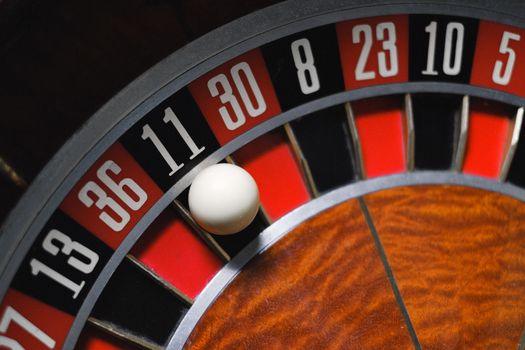
The Martingale system is one of the most famous betting strategies in the world of gambling, especially in roulette and other even-money games. Its appeal lies in its simple promise: double your bet after every loss, and eventually, a win will recoup all previous losses plus a profit equal to your original bet. But what happens when real people, with emotions and psychological biases, put this system into practice? Far from being a purely mathematical exercise, the success or failure of the Martingale strategy is deeply influenced by player psychology. This article explores how emotional factors—such as risk tolerance, cognitive biases, stress, and decision-making under pressure—shape the real-world outcomes of the Martingale system.
The Lure of the Martingale: Why Players Are Drawn In
The Martingale system has an intuitive appeal that draws in both novice and experienced gamblers. At its core is the seductive logic that a win is always inevitable, making losses appear temporary and recoverable. This psychological pull is based on a phenomenon known as the gambler’s fallacy—the mistaken belief that past outcomes affect future probabilities in random events. For example, after a string of losses, a player may believe a win is “due,” fueling the confidence to continue doubling bets.
A study by the University of Nevada found that nearly 60% of casino players have tried some form of the Martingale system at least once, highlighting how widespread its allure is. The straightforward nature of the strategy makes it feel accessible, but this simplicity can mask the underlying risks, especially for those prone to emotional decision-making.
.png)
Risk Tolerance and the Limits of Emotional Endurance
Every gambler has a unique risk profile, shaped by their personal experiences, financial situation, and emotional resilience. The Martingale system tests these boundaries in a way few other betting strategies do. Here’s how:
- $1 The Martingale requires players to double their bet after each loss. Even after just 6 consecutive losses starting with a $10 bet, a player would need to stake $640 on the next round, with cumulative losses totaling $630. - $1 As losses mount, so does psychological pressure. Anxiety, fear, and even desperation can set in, clouding judgment and increasing the likelihood of irrational decisions. - $1 Research published in the "Journal of Behavioral Decision Making" indicates that losses are psychologically about twice as powerful as gains. This means players may experience intense distress during losing streaks, which can lead to abandoning the strategy or making reckless bets.The table below illustrates how quickly bets can escalate using the Martingale system, and the psychological challenge this poses:
| Number of Consecutive Losses | Bet Amount (Starting at $10) | Total Cumulative Loss | Potential Emotional Impact |
|---|---|---|---|
| 1 | $10 | $10 | Low—still optimistic |
| 4 | $160 | $150 | Moderate—stress rising |
| 7 | $1,280 | $1,270 | High—fear and anxiety |
| 10 | $10,240 | $10,230 | Extreme—panic or resignation |
Cognitive Biases at the Table: How Players Fool Themselves
Cognitive biases are mental shortcuts that help us make decisions quickly, but they can also lead us astray—especially in high-stakes environments like the casino. Several key biases play a role in how players approach the Martingale system:
- $1 The belief that after several losses, a win is “due.” This fallacy is what gives the Martingale its psychological power but also its danger. - $1 Players often remember the times Martingale “worked” and forget the devastating losses, reinforcing their belief in the system. - $1 As losses accumulate, people feel compelled to keep betting to “recover” what they’ve lost, losing sight of rational limits. - $1 After a few successful runs, players may overestimate their ability to “beat” the system, leading to larger bets and greater risks.A 2017 survey by the Gambling Commission found that 38% of regular gamblers admitted to chasing losses, a behavior directly linked to these cognitive biases.
Stress and Decision-Making Under Pressure
Gambling environments are designed to be exciting, but high excitement can quickly turn into stress—especially when large sums are at stake. Stress affects decision-making by narrowing focus, increasing impulsivity, and reducing the ability to accurately assess risk.
- $1 The body’s stress response—higher heart rate, sweating, adrenaline—is triggered as losses mount. This “fight-or-flight” state can override logical thinking. - $1 Under stress, players may switch from long-term strategy to short-term survival, making hasty, poorly considered bets. - $1 The repeated cycle of hope and disappointment can lead to emotional fatigue, causing players to give up or make irrational “hail Mary” bets.A study published in "Psychology of Addictive Behaviors" found that players experiencing high stress were 40% more likely to make riskier bets and abandon their pre-set limits.
Social and Environmental Influences on Player Psychology
The casino environment is carefully engineered to heighten emotion and encourage risk-taking. From flashing lights and celebratory sounds to free drinks and the energy of the crowd, every element is designed to keep players engaged—and emotionally invested.
- $1 Players may feel encouraged to continue betting by friends or by watching others “ride out” losses. - $1 The sense of anonymity and detachment from real-world consequences can make losses feel less significant, reducing self-control. - $1 Casinos are notorious for removing clocks and windows, making it easy for players to lose track of time and continue long strings of bets.These factors combine to create a psychological “bubble” where normal decision-making is suspended, and emotional impulses take over.
Can Emotional Control Improve Martingale Success?
While the Martingale system is mathematically risky due to table limits and the potential for long losing streaks, emotional self-control can play a role in mitigating some dangers. The most disciplined players set strict limits on their bankroll and walk away after a predetermined number of losses or after reaching a win target. Techniques such as mindfulness, self-reflection, and even taking regular breaks are proven to reduce impulsive behavior at the tables.
For example, a 2022 study by the International Gambling Research Institute found that players who used mindfulness techniques were 27% less likely to chase losses compared to those who did not. In practice, this means that emotionally aware players are better equipped to weather the psychological storms that the Martingale system can unleash.
However, even the best emotional control cannot overcome the fundamental mathematical risks of the Martingale strategy. No amount of discipline can change the odds of the game or the reality of betting limits.
Final Thoughts: The Real Role of Psychology in Martingale Outcomes
The Martingale system’s simplicity and promise of inevitable wins make it irresistibly attractive—but the real story unfolds in the minds of the players who use it. Emotional factors, including risk tolerance, cognitive biases, stress responses, and social influences, can amplify the dangers of the strategy or, in rare cases, help mitigate them. Ultimately, the Martingale system is a test not just of luck or bankroll, but of psychological endurance. Understanding and respecting the power of emotion at the gaming table is crucial for anyone considering this high-risk strategy.