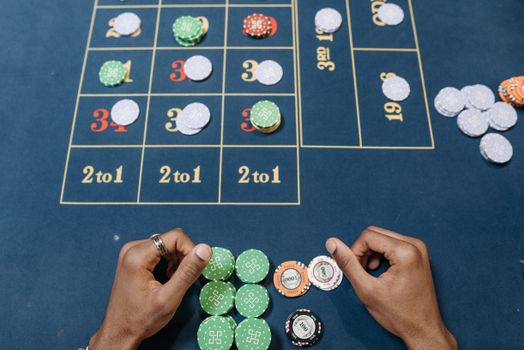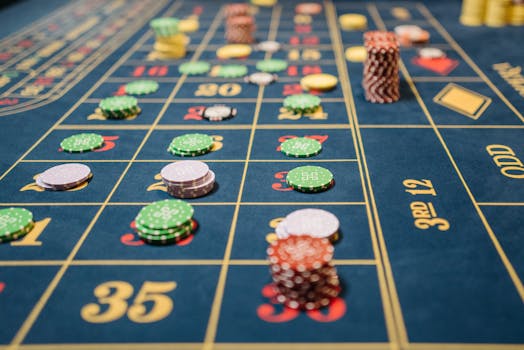
Roulette has long captured the imagination of gamblers with its spinning wheel, flashing lights, and the tantalizing prospect of instant fortune. Among the many betting systems devised to conquer the game, the Martingale strategy stands out for its deceptive simplicity: double your bet after every loss, and you’re guaranteed to win back your losses with a single victory. However, beneath this alluring logic lie significant risks that can lead to rapid bankroll depletion and frustration. If you’re intrigued by the Martingale but wary of its dangers, understanding how to minimize risks associated with the Martingale strategy in roulette is essential. This article explores advanced approaches, lesser-known adjustments, and practical safeguards to help you use this system more wisely.
Understanding the Core Risks of the Martingale Strategy in Roulette
The Martingale strategy is based on the idea that a win is inevitable if you keep doubling your bet on even-money outcomes (like red/black or odd/even). On paper, this seems like a surefire way to recover losses and make a profit. In reality, several key risks complicate this approach:
1. Table Limits: Most roulette tables have maximum bet limits, which can prevent you from doubling your bet indefinitely. 2. Bankroll Constraints: Even with a seemingly large bankroll, a streak of losses can quickly require bets that exceed your funds. 3. Statistical Probability: While winning is likely in the short run, the probability of hitting a long losing streak is higher than many players expect. 4. The Zero Factor: The presence of the green zero (and double zero in American roulette) gives the house an edge, making even-money bets slightly less than 50/50.A famous example: if you start with a $10 bet and lose ten times in a row, your next bet would need to be $10,240, and your total outlay would reach $20,470—well beyond the means of most players and often above casino limits.
.png)
Setting Practical Bankroll Boundaries for Martingale Sessions
One of the most effective ways to minimize risks is to establish clear and realistic boundaries for your bankroll and session play. This goes beyond simply determining how much you can afford to lose; it’s about structuring your bets to ensure you never reach catastrophic losses.
- Calculate Maximum Bets: Before playing, determine how many consecutive losses your bankroll can handle. For example, with a $1,000 bankroll and starting with $10 bets, you can survive up to six consecutive losses before exceeding your funds. - Use Session Stop-Loss Limits: Set a firm stop-loss for each session—perhaps 10% to 20% of your total bankroll. If you hit this limit, end the session. - Set Win Goals: Just as you need a stop-loss, set a modest win target (e.g., 10% profit on your session bankroll). This helps you walk away with winnings instead of risking them in continued play.By combining these boundaries, you avoid the Martingale’s most dangerous pitfall: chasing losses indefinitely.
Adapting the Martingale: Modified Approaches to Limit Exposure
Several variations of the Martingale system have emerged to address its inherent risks. These modifications aim to smooth out losses, slow the rate of bet escalation, or apply more nuanced betting patterns. Here are a few practical adaptations:
- Half-Martingale (Split Martingale): Instead of doubling your bet after every loss, increase it by 50%. This reduces the size of each subsequent bet and extends your bankroll’s lifespan. - Anti-Martingale (Reverse Martingale): Instead of increasing after losses, double your bet after wins and revert to your base bet after a loss. This capitalizes on winning streaks and limits exposure during losing runs. - Tiered Martingale: Break your bankroll into several smaller sessions or tiers. After a predetermined number of losses, pause, reset, or switch tables. This helps prevent rapid, compounding losses in a single sequence.The table below compares the classic Martingale to the Half-Martingale and Anti-Martingale approaches over a hypothetical losing streak:
| Losses in a Row | Classic Martingale Bet | Half-Martingale Bet | Anti-Martingale Bet |
|---|---|---|---|
| 1 | $10 | $10 | $10 |
| 2 | $20 | $15 | $10 |
| 3 | $40 | $22.50 | $10 |
| 4 | $80 | $33.75 | $10 |
| 5 | $160 | $50.62 | $10 |
As shown, alternative approaches like the Half-Martingale slow the escalation of bets, making it easier to withstand longer losing streaks.
Choosing the Right Roulette Variant and Table for Safer Play
Not all roulette games are created equal, and your choice of table can significantly impact the risk profile of your Martingale strategy. Here’s how to optimize your selection:
- Prefer European or French Roulette: European roulette has a single zero, resulting in a house edge of 2.7%, while French roulette often features “La Partage” or “En Prison” rules, reducing the house edge to 1.35% on even-money bets. In contrast, American roulette’s double zero increases the house edge to 5.26%. - Seek Higher Table Limits: Since the Martingale’s main risk is hitting table limits before recouping losses, choosing tables with higher maximum bets gives you more flexibility. - Look for Favorable Side Rules: Some casinos or online platforms offer insurance or partial refunds if zero is spun on even-money bets, further reducing your losses.Example: If you play European roulette and bet on red, your odds of winning are 48.65% per spin. Over 10 consecutive losses, the probability is around 0.045%—rare, but not impossible.
Timing, Discipline, and Emotional Control: Non-Mathematical Safeguards
While bankroll management and system tweaks are crucial, minimizing risk with the Martingale system also requires strong psychological discipline. Many players abandon their plans after a few wins or, worse, chase losses out of frustration. To guard against these pitfalls:
- Stick to Your Pre-Set Limits: Resist temptation to exceed your bankroll or session limits, no matter how “due” you feel for a win. - Take Regular Breaks: Stepping away from the table helps maintain perspective and avoid impulsive decisions. - Track Results: Keep a written log of your bets, wins, and losses. This increases accountability and helps you spot patterns or emotional triggers. - Accept the Odds: No system can overcome the house edge. Understand that losing streaks are a statistical reality, not bad luck.According to a 2021 study in the Journal of Gambling Studies, players who set and adhered to clear limits were over 60% less likely to experience significant losses compared to those who played without structured discipline.
Integrating Safer Betting Strategies Alongside Martingale
Another way to minimize risk is to blend the Martingale with other low-risk betting strategies or to use it selectively. Here are some practical approaches:
- Combine with Flat Betting: Alternate between Martingale sequences and periods of flat betting (always betting the same amount). This interrupts losing streaks and reduces exposure. - Use Martingale for Only a Portion of Your Play: For example, reserve the system for specific scenarios, such as after a winless streak, instead of using it every spin. - Pair with Loss Recovery Limits: After a certain number of Martingale cycles, switch to a conservative system, or stop altogether.For example, a player might decide to use the Martingale only after three losses in a row during flat betting, then revert to flat bets after a win. This hybrid approach reduces the risk of catastrophic losses while still providing some of the system’s psychological reassurance.
Smart Play: Final Thoughts on Minimizing Martingale Risks in Roulette
The Martingale strategy’s promise of steady, reliable wins is alluring but fraught with real and quantifiable risks. By understanding the pitfalls—table limits, bankroll constraints, statistical probabilities, and emotional traps—players can take active steps to minimize their exposure. Practical safeguards like clear bankroll boundaries, modified betting approaches, careful selection of roulette variants, and disciplined play are your best allies.
Remember, no betting system can change the fundamental odds of the game, but a thoughtful and well-structured approach can help you enjoy roulette with greater safety and peace of mind. Gambling should always be seen as entertainment, not a guaranteed path to profit. By minimizing risks, you keep the experience fun—and your bankroll intact.