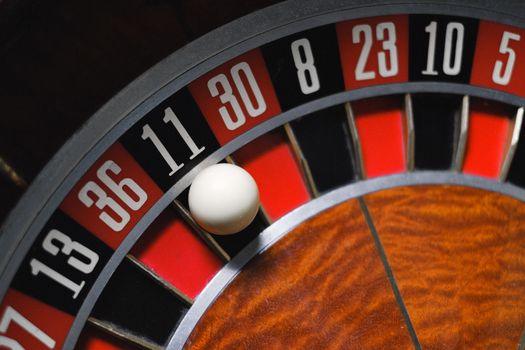
The Martingale betting system is one of the most recognizable strategies in the world of gambling. Typically associated with roulette, its core concept—doubling your bet after every loss—has prompted both controversy and fascination among players. But what happens when you apply the Martingale strategy outside of roulette? Can it be effective, or is it a recipe for disaster in other games? In this comprehensive guide, we’ll explore how to use the Martingale strategy for gambling games other than roulette, diving into its mechanics, potential pitfalls, and practical applications across a variety of casino favorites.
Understanding the Martingale System Beyond Roulette
At its heart, the Martingale system is deceptively simple: you double your bet every time you lose, with the theory that a win will recover all previous losses and yield a profit equal to your original stake. While roulette offers a classic 50/50 (evens) bet structure, many casino games feature different odds, house edges, and betting opportunities.
The underlying principle of the Martingale is best suited to bets with close to even money payout—like red or black in roulette. But what about blackjack, baccarat, craps, or even sports betting? Adapting the Martingale to these games introduces unique challenges and considerations.
.png)
Let’s break down its application, advantages, and risks in several non-roulette gambling games.
Applying the Martingale to Blackjack
Blackjack is one of the most popular card games worldwide, boasting a house edge as low as 0.5% when played with optimal strategy. It seems like an excellent candidate for Martingale, but the reality is nuanced.
1. $1 Players using Martingale in blackjack typically double their bet after each loss, aiming for a win that resets them to a net profit. For example, if you start with a $10 bet and lose, your next wager is $20. Lose again, and you bet $40, and so forth. 2. $1 - Blackjack is not a true even-money game due to the possibility of blackjacks (3:2 payout), splits, doubles, and insurance bets. - Losing streaks can be longer than anticipated due to the game’s volatility. - Table minimums and maximums can restrict your ability to continue doubling bets. 3. $1 A player starts with $10 and faces a five-hand losing streak: - Bet 1: $10 (lose) - Bet 2: $20 (lose) - Bet 3: $40 (lose) - Bet 4: $80 (lose) - Bet 5: $160 (lose) - Total wagered: $310 - Next bet required: $320If the table maximum is $250, the system breaks down before recouping losses.
4. $1 According to a study by the University of Nevada, Las Vegas, blackjack players experience an average losing streak of five or more hands in just 3.3% of sessions. While rare, these streaks can be devastating when using a Martingale approach.Martingale in Baccarat: A Popular Alternative
Baccarat is another casino staple where the Martingale system has found a home. The game revolves around betting on either the “Player” or “Banker” hand, both of which offer close to even-money payouts.
1. $1 Players double their bet after each loss, sticking to Banker or Player bets (avoiding the much riskier Tie bet). 2. $1 - Banker bet: 1.06% house edge (with a 5% commission) - Player bet: 1.24% house edgeThese odds are among the most favorable in the casino.
3. $1 - Fewer variables than blackjack—no splits, doubles, or insurance. - Table limits and long losing streaks remain a risk. - Commission on Banker wins slightly reduces the effectiveness of the Martingale’s recovery. 4. $1 If you bet $20 on the Player and lose five times in a row, you’ll need to wager $640 on the sixth hand to recover prior losses and gain a $20 profit.Using Martingale in Craps and Other Table Games
Craps offers several bets with nearly 50/50 odds, most notably the “Pass Line” and “Don’t Pass” wagers. These bets make craps another potential candidate for Martingale, though again, the system’s limitations must be addressed.
1. $1 - Pass Line: 1.41% house edge - Don’t Pass: 1.36% house edge 2. $1 Players doubling their bets on the Pass Line after each loss are hoping for a win to recoup all previous losses. However, craps’ fast pace and volatile nature can accelerate both wins and losses. 3. $1 - Table limits are often lower than in roulette or blackjack. - The game’s momentum can encourage emotional betting, increasing risk. - Extended losing streaks are possible; for example, the probability of rolling seven consecutive losses on a Pass Line bet is approximately 0.78%—small, but significant over many sessions.Martingale in Sports Betting and Online Games
The Martingale strategy isn’t confined to casino tables. Many bettors have experimented with it in sports betting and even online games like coin flips or virtual dice.
1. $1 - Bettors select events with close to even odds (e.g., -110 moneyline bets). - After a loss, the wager is doubled (plus a small amount to account for the sportsbook’s commission). 2. $1 - Simple games with binary outcomes (win/lose) are ideal for Martingale experiments. - Many crypto casinos and betting apps feature provably fair coin flips or dice rolls with near-50% odds. 3. $1 - Bookmakers and online platforms may impose strict bet limits. - Odds may not be truly even, especially after accounting for the “vig” (commission). - Psychological pressure and bankroll constraints remain key concerns.Comparing Martingale Effectiveness Across Different Gambling Games
To better understand the practical implications of using Martingale outside roulette, the table below compares several popular games on key factors:
| Game | Typical Even-Money Bet | House Edge | Table Limits | Volatility | Martingale Suitability |
|---|---|---|---|---|---|
| Roulette (European) | Red/Black | 2.70% | High | Moderate | High |
| Blackjack | Player Hand | 0.5% (optimal strategy) | Medium-High | High | Medium |
| Baccarat | Banker/Player | 1.06%-1.24% | High | Low | High |
| Craps | Pass/Don’t Pass | 1.36%-1.41% | Medium | High | Medium |
| Sports Betting | Even-Odds Bets | ~4.5% (with vig) | Varies | High | Low |
| Online Coin Flip | Heads/Tails | 0%-2% | Varies | Low | High |
This comparison highlights that while Martingale can theoretically be applied to many games, its actual effectiveness depends on factors like house edge, volatility, and betting limits.
Practical Tips for Using Martingale Outside Roulette
If you’re determined to experiment with the Martingale system in games other than roulette, keep these tips in mind:
1. $1 Before you begin, check the minimum and maximum bet limits for your chosen game. Martingale requires the ability to double your bet multiple times, so low maximums can quickly end your progression. 2. $1 The Martingale is only as strong as your bankroll. A short losing streak can wipe out dozens of initial bets. For example, a $10 starter bet with five consecutive losses requires a $320 next bet and a total bankroll of $630 just to stay in the game. 3. $1 Baccarat’s Banker bet, blackjack with optimal strategy, and craps’ Don’t Pass wager offer some of the best odds. Higher house edges (like American roulette or sports bets with heavy vig) make recovery harder. 4. $1 To prevent catastrophic losses, decide in advance how much you’re willing to lose in a session. Stick to this limit, and never chase losses beyond your comfort level. 5. $1 Martingale betting can be stressful, especially during losing streaks. Be prepared for emotional swings and the possibility of walking away empty-handed.Final Thoughts on Using Martingale in Non-Roulette Games
The Martingale system’s appeal lies in its simplicity and the allure of always “winning back” losses. However, when applied to games other than roulette, it carries the same risks—namely, the ever-present danger of table limits and depleted bankrolls during inevitable losing streaks. Some games, like baccarat or online coin flips, offer favorable conditions for Martingale play. Others, such as sports betting or craps, introduce additional volatility and betting restrictions.
Ultimately, no betting system can overcome a negative expectation game in the long run. If you choose to use Martingale outside roulette, do so for entertainment, not as a guaranteed path to profit. Always gamble responsibly and within your means.