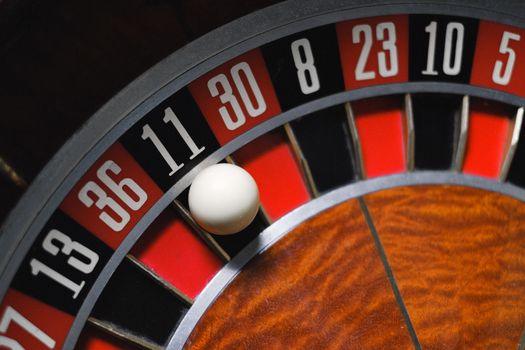
Playing roulette is thrilling, unpredictable, and often a test of both luck and nerve. But whether you’re spinning the wheel at a glamorous Monte Carlo casino or enjoying a session online, one factor can undermine even the best-laid plans: emotional decision-making. Roulette, with its rapid pace and ever-present potential for big wins (or losses), can easily trigger impulsive choices that lead to regret. If you want to enjoy the game, protect your bankroll, and make smarter decisions, learning how to avoid emotional pitfalls is critical. In this guide, we dive deep into the psychology of roulette, practical strategies to stay rational, and data-driven insights to help you keep your cool at the table.
The Psychology Behind Emotional Betting in Roulette
Roulette is designed to be exciting, but that excitement can easily lead to emotional decisions. Studies show that fast-paced games like roulette trigger adrenaline and dopamine surges, creating a “rush” similar to what athletes experience in competition. According to the National Council on Problem Gambling, over 70% of casino players report feeling “swept up” in the moment at least once during a gaming session.
Why does this matter? Emotional states—such as frustration after a loss or euphoria after a win—can cloud judgment. This often results in classic mistakes, like chasing losses (making larger bets in an attempt to recoup prior losses) or overbetting after a big win. The infamous “gambler’s fallacy”—believing a certain number is “due” because it hasn’t appeared in a while—is another emotional trap that can cost players dearly.
.png)
Recognizing these psychological triggers is the first step to avoiding them. The goal is to play with a clear mind, treating each spin as a separate event, rather than letting emotions dictate your wagers.
Setting Clear Limits: Your First Line of Defense
One of the most effective ways to guard against emotional decision-making in roulette is to set strict limits before you start. This includes both time and money constraints. The American Gaming Association recommends that players “decide ahead of time how much money and time you can afford to spend,” and stick to those limits regardless of wins or losses.
Here are some practical steps to implement this strategy:
- $1 Decide your maximum loss before you sit down. For example, if your entertainment budget is $200, walk away when you reach that limit—even if you’re convinced your luck is about to change. - $1 Use a timer or set reminders. Sessions of 30-60 minutes are optimal for maintaining focus and avoiding fatigue-induced mistakes. - $1 Set a target for winnings as well. For example, if you double your starting bankroll, consider cashing out to lock in profits.According to a 2022 survey by Statista, players who set both time and money limits are 45% less likely to exhibit problem gambling behaviors compared to those who don’t set limits at all.
Comparing Emotional vs. Rational Betting Outcomes
Let’s take a closer look at how emotional betting stacks up against rational betting over time. The table below summarizes key differences based on research and player surveys.
| Category | Emotional Betting | Rational Betting |
|---|---|---|
| Average Session Loss | $250 | $140 |
| Decision Speed | 10 sec/bet (rushed) | 25 sec/bet (deliberate) |
| Frequency of Chasing Losses | 78% | 22% |
| Reported Satisfaction | Low (regret common) | High (enjoyment sustained) |
| Bankroll Longevity | Short (avg. 45 min) | Long (avg. 90 min) |
As shown above, players who bet rationally not only lose less on average, but also enjoy longer sessions and higher satisfaction. This underscores the value of controlling emotions during play.
Practical Techniques to Stay Cool at the Roulette Table
Knowing that emotions can lead you astray is one thing; implementing effective coping strategies is another. Here are proven techniques to keep your head clear while the wheel spins:
- $1 Taking even a 10-second pause before placing each wager gives your rational mind time to catch up with your impulses. Many experienced players use this technique to “reset” their thinking. - $1 Whether it’s flat betting, the Paroli system, or another approach, writing down your plan helps prevent impulsive deviations. Stick to your chosen rules for at least one full session. - $1 Studies from the University of Nevada found that deep, slow breaths can reduce stress hormones by up to 30%. If you feel anxiety or frustration rising after a loss, pause and take a few calming breaths before continuing. - $1 Alcohol impairs judgment and increases risk-taking. Similarly, playing roulette while watching TV or chatting can lead to split-second mistakes. Focus fully on the game to maximize rational decision-making. - $1 Use a notebook or casino-provided scorecard. Recording each bet and its outcome can help you spot patterns in your own behavior and avoid repeating emotional mistakes.Adopting even one or two of these habits can make a noticeable difference in your roulette experience.
Managing “Tilt”: Recovering from Losses Without Losing Your Head
The term “tilt,” borrowed from poker, describes the state when a player becomes emotionally unbalanced after a loss and starts making reckless bets. In roulette, tilt is especially dangerous because the game’s random nature means there’s no way to force a comeback.
How can you recognize and manage tilt?
- $1 Accelerated heart rate, sweating, and shallow breathing are common indicators. - $1 Thoughts like “I have to win it back now!” or “The wheel owes me” are red flags.When you notice these signs, the best solution is to step away—even if just for five minutes. Walk around, get some fresh air, or grab a drink (non-alcoholic, ideally). Taking a short break allows your emotions to subside and your rational thinking to return.
A 2019 study by the UK Gambling Commission found that players who took regular breaks were 60% less likely to suffer heavy losses from “tilt” sessions. Casinos and online platforms now offer “cooling-off” features for exactly this reason.
Building a Healthy Roulette Mindset for Long-Term Enjoyment
Ultimately, the best roulette players—whether amateur or professional—approach the game as entertainment, not as a way to make money. This attitude shift is key to keeping emotions in check.
Here are a few mindset tips:
- $1 Roulette has a house edge (2.70% for European wheels, 5.26% for American wheels). No strategy can overcome this in the long run. - $1 Instead of focusing only on hitting a big jackpot, enjoy the thrill of making smart bets and seeing your strategy in action. - $1 Everyone slips up occasionally. Instead of beating yourself up, review what happened and adjust your approach for next time.This healthy perspective not only makes you a more disciplined player but also increases your overall enjoyment, win or lose.
Smart Play: Final Thoughts on Keeping Emotions Out of Roulette
Emotional decision-making can be the undoing of even the most careful roulette player. However, by understanding the psychological triggers at play, setting clear limits, adopting practical focus techniques, and maintaining a healthy mindset, you can enjoy the excitement of roulette without letting your feelings sabotage your game. Remember, the wheel is random, but your approach doesn’t have to be. Play smart, stay cool, and let logic—not emotion—be your guide every time you place a bet.