Introduction to Color Psychology in Casino Design
Casinos are more than just venues for gambling; they are carefully designed environments that influence patron behavior through various elements, including color. Color psychology plays a pivotal role in shaping the atmosphere of a casino, subtly guiding the emotions and decisions of its visitors. By understanding the psychological effects of specific colors, casinos can create spaces that maximize player engagement and satisfaction.
How Casinos Use Color to Influence Behavior
.png)
Red and Black: Stimulation and Sophistication
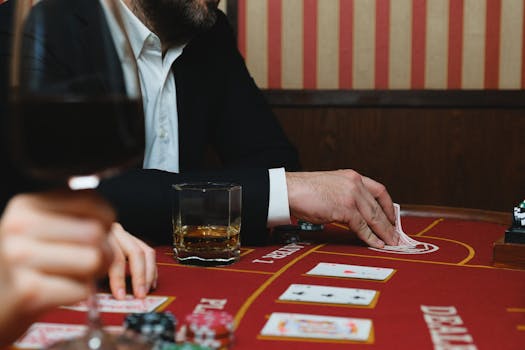
Red is a powerful color often used in gambling areas because of its ability to elicit feelings of excitement and urgency. It's believed to stimulate adrenaline and draw players into the action, potentially increasing the likelihood of riskier bets. Black, on the other hand, adds a layer of sophistication and luxury, often used in high-limit rooms where stakes are high, and the environment is exclusive.
Blue and Green: Calmness and Comfort
Blue and green are predominantly used in areas designed for relaxation and extended stay. Blue, known for its calming effects, can be found in hotel lobbies and casual dining areas within a casino. Green, which is easy on the eyes, creates a relaxed atmosphere, encouraging guests to unwind and stay longer, perhaps gently nudging them to return to gaming at a slower, more steady pace.
The Impact of Color Choices on Casino Experience
The strategic application of color in casinos affects not only player behavior but also their overall experience. While red and black are effective at enhancing excitement and feelings of luxury, they can also lead to sensory overload and fatigue if used excessively. Conversely, while blue and green can make for a soothing environment that may encourage longer stays, they might also reduce the frequency and intensity of gambling.
Real-World Applications
Case Study: Las Vegas and Macau
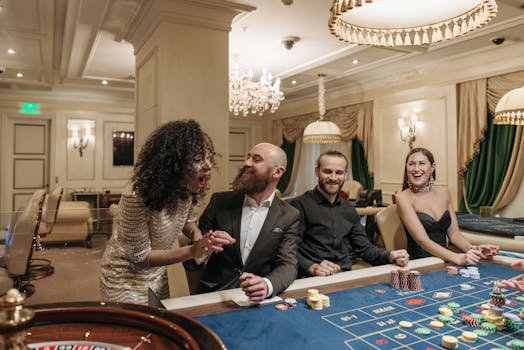
In Las Vegas, the use of bold reds and deep blacks in casinos such as the Bellagio and The Venetian caters to a crowd looking for high-energy, luxurious gaming experiences. In contrast, Macau’s casinos, like The Venetian Macao, use similar palettes to signify opulence but often incorporate golden tones to enhance the sense of wealth and prosperity.
Case Study: Monaco
Monaco’s casinos, including the famous Casino de Monte-Carlo, often employ a different palette, featuring more blues and creams, which mirrors the serene, luxurious, and leisurely lifestyle of the Riviera, attracting a clientele that appreciates both gambling and relaxation.
Conclusion: Strategic Color Integration in Casinos
Effective use of color in casinos is a critical tool for influencing guest behavior and enhancing their overall experience. Operators should strive for a balanced color palette that not only stimulates but also comforts patrons, potentially leading to increased satisfaction and prolonged engagement. Visitors, on the other hand, can benefit from recognizing these subtle cues, helping them to make more conscious decisions about their gambling behavior and overall expenditure.
Recommendations for Casino Designers and Patrons
Casino designers are encouraged to consider the psychological effects of colors and integrate them thoughtfully to cultivate the desired atmosphere and patron experience. Meanwhile, patrons should stay mindful of the environment’s influence on their emotions and decisions, using this awareness to manage their time and spending in casinos more effectively. By understanding and applying the principles of color psychology, both designers and visitors can significantly enhance their interaction with casino environments.